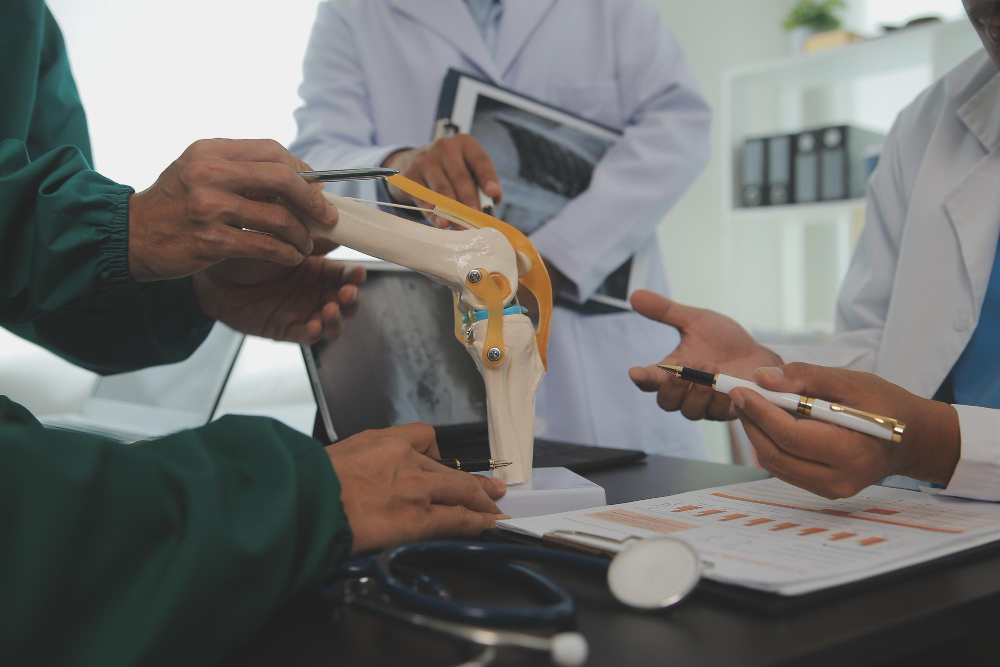
Total knee replacement is a common surgery for people with severe knee pain. This procedure helps those who cannot walk or move easily because of knee problems. Many people choose total knee replacement when other treatments do not work. If you are thinking about this surgery, it is important to know what to expect, the benefits, and how recovery works.
What Is Total Knee Replacement?
Total knee replacement is a surgery to replace a damaged knee joint with an artificial one. Doctors often suggest this procedure when knee pain makes daily life hard. Usually, the surgery is needed because of wear and tear or injury.
For example, people with osteoarthritis often need this surgery. Sometimes, other conditions like rheumatoid arthritis or knee injuries can also lead to total knee replacement. The goal is to help you move better and feel less pain.
Symptoms and Conditions Leading to Surgery
Many people wonder if they need total knee replacement. Some signs and conditions may mean it is time to talk to your doctor. Common symptoms and causes include:
If these symptoms affect your daily life, total knee replacement may help.
How Is Total Knee Replacement Performed?
Doctors perform total knee replacement in a hospital. First, you will get anesthesia to keep you comfortable during surgery. Then, the surgeon removes the damaged parts of your knee joint. Next, they place metal and plastic parts to form a new, smooth joint.
Usually, the surgery takes one to two hours. After surgery, you will stay in the hospital for a few days. During this time, nurses and doctors will help you start moving your new knee safely.
Benefits of Total Knee Replacement
Many people feel better after total knee replacement. Some key benefits include:
Because of these benefits, total knee replacement is a popular choice for people with severe knee problems.
Risks and Potential Complications
Like any surgery, total knee replacement has some risks. However, doctors take steps to lower these risks. Possible complications include:
If problems happen, doctors can often treat them quickly. Following your care plan helps lower your risk.
Recovery and Rehabilitation
Recovery after total knee replacement takes time. Most people stay in the hospital for two to three days. After going home, you will need to follow a recovery plan. Usually, you will:
In the first few weeks, you may feel sore or tired. However, most people can walk without help after four to six weeks. Full recovery may take three to six months. To heal well, follow your doctor’s advice and do your exercises every day.
For best results, eat healthy foods, avoid smoking, and keep a healthy weight. These steps help your new knee last longer.
Prevention and Long-Term Care
After total knee replacement, you can take steps to protect your new joint. Here are some tips:
With good care, most knee implants last 15 to 20 years or more.
If you are thinking about total knee replacement, talk to an orthopedic specialist, Dr. Sai Shankar. They can help you decide if this surgery is right for you.