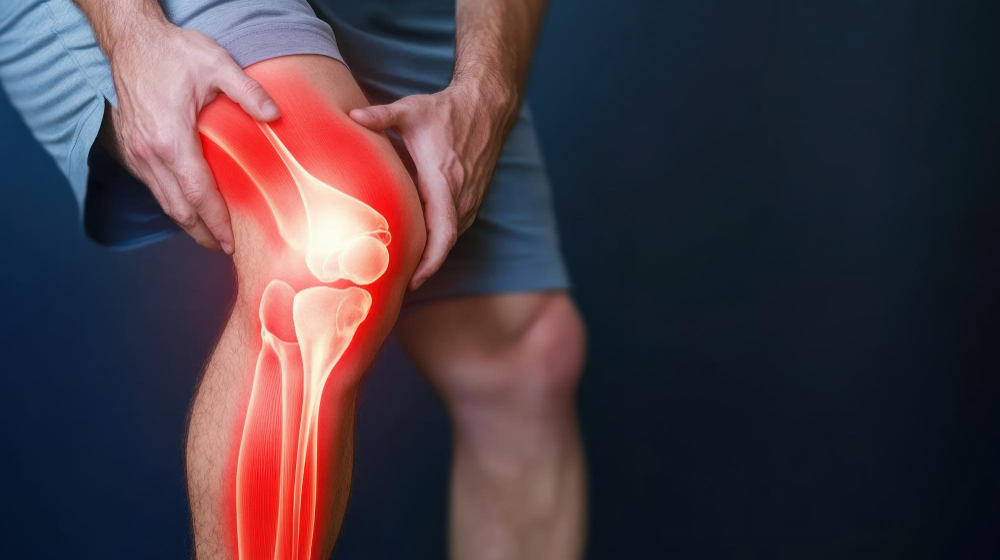
What is Patellar Tendonitis?
Patellar tendonitis, often called jumper’s knee, is a condition that causes pain in the tendon connecting your kneecap to your shinbone. This tendon helps you straighten your leg. Many athletes, especially those who jump often, can develop patellar tendonitis. However, anyone can get it. Early care can help you recover faster and avoid long-term problems.
Common Symptoms
Patellar tendonitis symptoms usually start slowly. At first, you may feel pain only after exercise. Over time, the pain can become constant. For example, you might notice:
Sometimes, the pain gets worse with activity. But rest may help it feel better for a short time.
Causes and Risk Factors
Patellar tendonitis happens when the tendon is overused or stressed. As a result, tiny tears can form in the tendon. Over time, these tears cause pain and swelling. Common causes include:
Some people are at higher risk. For instance, athletes in sports like basketball, volleyball, or soccer often get patellar tendonitis. In addition, people with flat feet or uneven leg strength may also be more likely to develop this condition. (Source: CDC, American Academy of Orthopaedic Surgeons)
Diagnosis Methods
Doctors use several methods to diagnose patellar tendonitis. First, they will ask about your symptoms and activity level. Next, they will examine your knee for pain and swelling. Sometimes, your doctor may order tests, such as:
These tests help confirm the diagnosis and rule out other causes of knee pain.
Treatment Options
Patellar tendonitis treatment focuses on reducing pain and helping the tendon heal. Early treatment can prevent the problem from getting worse. Common options include:
In rare cases, if pain does not improve, your doctor may suggest other treatments. For example, injections or surgery may be needed. (Source: WHO, Mayo Clinic)
Lifestyle Tips and Home Care
There are simple steps you can take at home for patellar tendon pain relief. For instance, you can:
Additionally, listen to your body. If pain returns, rest and try again later.
Prevention Strategies
Many people ask how to prevent patellar tendonitis. You can lower your risk by following these tips:
With these steps, you can help protect your knees and avoid future problems.
When to See a Doctor
Sometimes, home care is not enough. If your knee pain lasts more than a few days or gets worse, see a doctor. Also, seek help if you have:
Early treatment can help you recover faster and prevent long-term damage.
For personalized advice on patellar tendonitis, consult an orthopedic specialist Dr. Sai Shankar.