Introduction to Hip Dysplasia
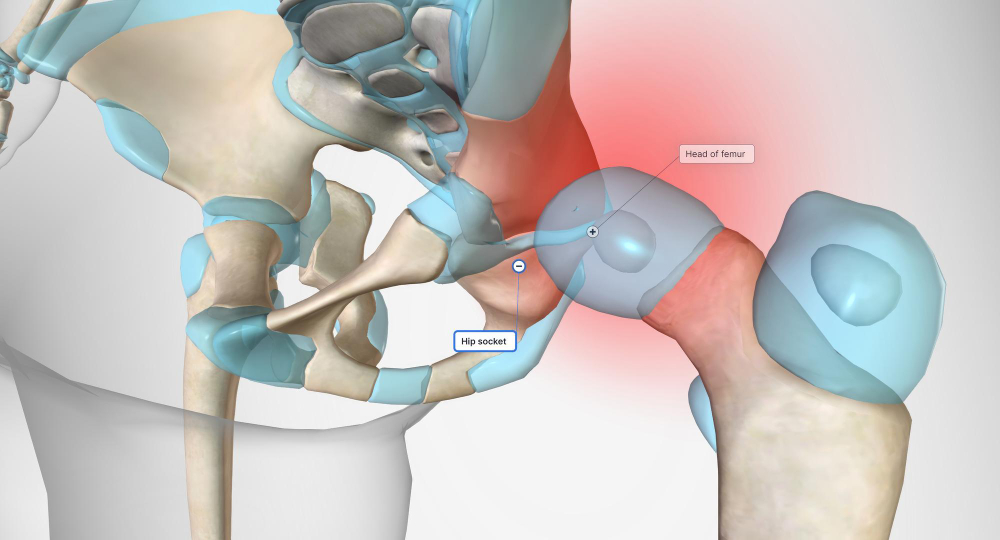
Hip dysplasia is a condition where the hip joint does not form properly. As a result, the hip may become loose or even dislocate. This problem can affect babies, children, and adults. Early diagnosis and treatment can help prevent joint pain and long-term issues. According to the World Health Organization, hip dysplasia is a common cause of hip problems in young people. In this blog, you will learn about hip dysplasia symptoms, causes, diagnosis, and treatment options.
Causes of Hip Dysplasia
There are several reasons why hip dysplasia may develop. Some people are born with it, while others develop it later. For example, babies may have hip dysplasia if their hips do not form correctly before birth. In addition, family history can increase the risk. Girls are more likely than boys to have this condition. Sometimes, tight swaddling of infants can also play a role. Other causes include:
Because many factors can lead to hip dysplasia, it is important to know your risk.
Common Symptoms
Hip dysplasia symptoms can vary by age. In babies, you may notice uneven leg lengths or extra skin folds on the thigh. Sometimes, a hip may make a clicking sound. In older children and adults, symptoms often include:
However, some people may not notice symptoms until later in life. If you notice any of these signs, it is wise to seek medical advice.
How Hip Dysplasia is Diagnosed
Doctors use several methods to diagnose hip dysplasia. First, they will ask about your symptoms and family history. Next, they will examine your hips and legs. For babies, doctors may gently move the hips to check for looseness. In addition, imaging tests help confirm the diagnosis. These may include:
Because early diagnosis is important, regular check-ups are key for babies at risk. The CDC recommends screening newborns for hip problems.
Treatment Options
Hip dysplasia treatment options depend on age and severity. For babies, a soft brace called a Pavlik harness may help the hip develop normally. Sometimes, doctors use a special splint. If these do not work, surgery may be needed. In older children and adults, treatment may include:
Because each case is different, your doctor will suggest the best plan for you. Early treatment can help prevent arthritis and other joint problems.
Lifestyle Tips and Prevention
While you cannot always prevent hip dysplasia, some steps may help. For babies, avoid tight swaddling that forces the legs straight. Instead, allow the hips to move freely. If you have a family history, tell your doctor early. For adults, staying active and keeping a healthy weight can lower stress on the hips. In addition, regular check-ups help catch problems early. Here are some tips:
Although not all cases can be avoided, these steps support healthy hips.
When to See an Orthopedic Specialist
If you or your child has hip pain, stiffness, or trouble walking, it is time to see an orthopedic specialist. Early care can prevent long-term problems. For example, if your baby has uneven leg folds or a limp, seek advice right away. In addition, adults with ongoing hip pain should not wait. Orthopedic care for hip dysplasia can improve comfort and movement. Remember, timely treatment leads to better outcomes.
In summary, hip dysplasia is a treatable condition. If you notice symptoms or have concerns, consult an orthopedic specialist Dr. Sai Shankar for personalized advice on hip dysplasia.