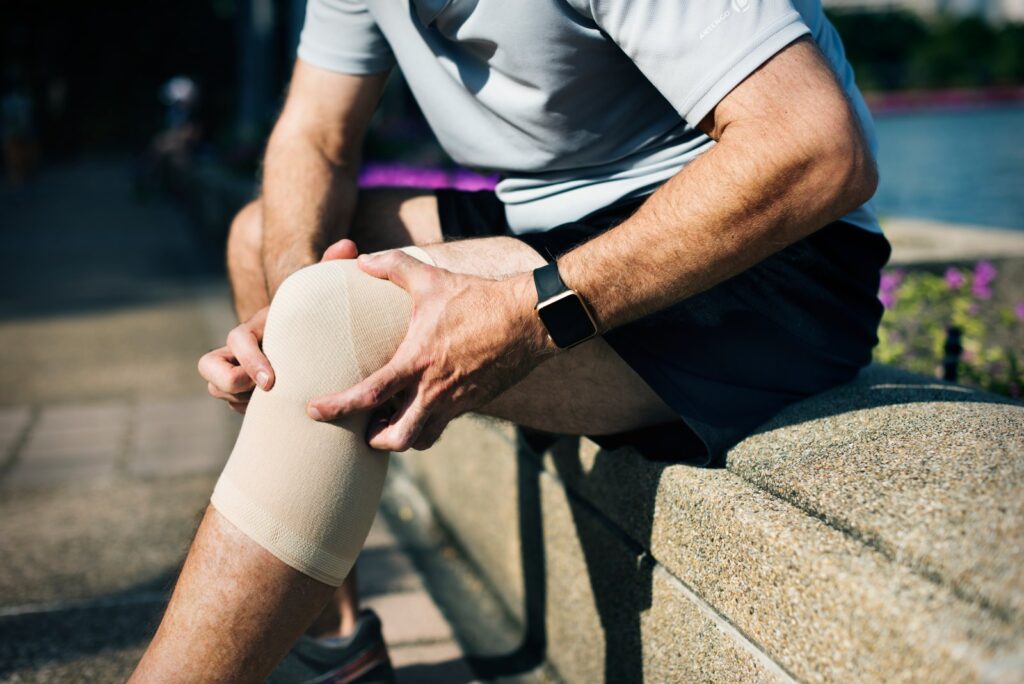
Staying active is important for your health. However, sports injury prevention is key to keeping your joints and muscles safe. Many people enjoy sports, but injuries can happen if you are not careful. With the right steps, you can lower your risk and enjoy your favorite activities. This guide shares simple tips for joint protection, muscle safety, and exercise injury tips. These tips are useful for athletes, weekend warriors, and anyone who wants to stay injury-free.
Common Sports Injuries Affecting Joints and Muscles
Many sports injuries affect the joints and muscles. For example, sprains and strains are very common. Sprains happen when ligaments stretch or tear. Strains involve muscles or tendons. Both can cause pain and swelling. In addition, overuse injuries can develop from repeating the same movement. These injuries often affect the knees, ankles, shoulders, and wrists. According to the CDC, these are some of the most common injuries:
Because these injuries can be painful, it is important to know how to prevent them.
Key Risk Factors for Sports Injuries
Several factors can raise your risk of injury. For instance, not warming up before exercise can make muscles stiff. Weak muscles or poor flexibility can also increase your risk. Sometimes, using the wrong technique or equipment is a problem. In addition, playing too hard or too often can lead to overuse injuries. Other risk factors include:
Because these risks can add up, it is wise to address them before you start any sport.
Essential Warm-Up and Cool-Down Techniques
Warming up helps your body get ready for exercise. For example, gentle jogging or jumping jacks can raise your heart rate. Stretching your muscles can also help prevent injuries. After exercise, cooling down is just as important. It helps your body recover and lowers the risk of soreness. Try these warm-up and cool-down tips:
Because these steps are simple, you can add them to any routine.
Protective Gear and Equipment Tips
Wearing the right gear can protect your joints and muscles. For instance, helmets, knee pads, and wrist guards help prevent injuries in many sports. Shoes with good support can also make a big difference. In addition, using equipment that fits well is important. Here are some tips for choosing the right gear:
Because gear can wear out, check it often and replace it when needed.
Safe Exercise Practices and Training Routines
Safe exercise habits can lower your risk of injury. For example, always start slow and build up your activity level. Listen to your body and rest if you feel pain. In addition, cross-training can help by working different muscle groups. Try these safe exercise tips:
Because good habits make a difference, stick to safe routines every time you exercise.
Nutrition and Hydration for Joint and Muscle Health
Eating well and staying hydrated are important for joint and muscle health. For instance, protein helps build and repair muscles. Calcium and vitamin D keep bones strong. In addition, drinking enough water helps prevent cramps and fatigue. Here are some nutrition and hydration tips:
Because your body needs fuel, make healthy choices every day.
Recognizing Early Warning Signs of Injury
It is important to notice early signs of injury. For example, pain, swelling, or stiffness can signal a problem. Sometimes, you may feel weak or have trouble moving a joint. Ignoring these signs can make injuries worse. Watch for these warning signs:
Because early care can prevent serious problems, see a doctor if you notice these signs.
Evidence-Based Prevention Strategies
Experts from the WHO and CDC recommend several proven ways to prevent sports injuries. For instance, regular strength training can protect your joints and muscles. Flexibility exercises also help. In addition, following sport-specific safety guidelines is important. Evidence-based strategies include:
Because these strategies are backed by research, they offer the best chance to stay safe while staying active.
Conclusion
Sports injuries can affect performance, mobility, and daily activities, but many can be reduced with proper preparation and care. Warm-up exercises, strength training, correct techniques, adequate recovery, and listening to your body play an important role in maintaining joint and muscle health.
Want to stay active while reducing your risk of sports injuries?
Consult Dr. Sai Shankar for expert guidance on injury prevention, evaluation, and sports-related care.