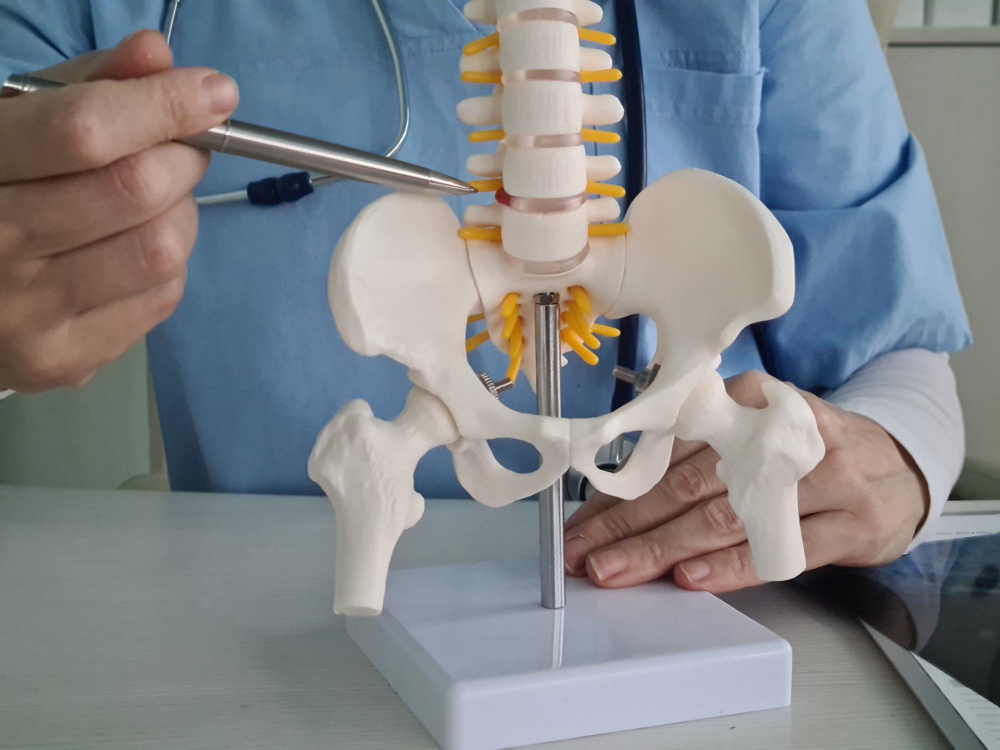
What is Total Hip Replacement?
Total hip replacement is a surgery that helps people with severe hip pain. Doctors remove the damaged parts of the hip joint and replace them with artificial parts. As a result, many people notice less pain and better movement. This procedure is also called total hip replacement surgery. It is common for those who have not found relief from other treatments. According to the CDC, hip replacement is safe and often improves quality of life.
Common Symptoms Leading to Hip Replacement
Many people seek hip replacement because of pain and trouble moving. For example, you may have:
Sometimes, pain spreads to the groin, thigh, or knee. If these symptoms do not improve with medicine or therapy, your doctor may suggest total hip replacement.
Causes of Hip Joint Damage
Hip joint damage can happen for many reasons. Often, the main cause is arthritis. There are different types of arthritis, but osteoarthritis is the most common. In this condition, the cartilage that cushions the hip wears away. As a result, bones rub together and cause pain. Other causes include:
Over time, these problems can make it hard to move and may lead to total hip replacement surgery.
How Total Hip Replacement is Diagnosed
Doctors use several steps to decide if you need total hip replacement. First, they ask about your symptoms and medical history. Next, they do a physical exam to check your hip movement and pain. Often, doctors order X-rays to see the bones and joint space. Sometimes, they use MRI scans to look at soft tissues. If other treatments have not worked, and your pain is severe, your doctor may suggest surgery. The decision is made carefully, based on your health and needs.
Treatment: The Hip Replacement Procedure Explained
Total hip replacement surgery usually takes a few hours. During the procedure, the surgeon removes the damaged bone and cartilage from your hip. Then, they put in new artificial parts made of metal, ceramic, or plastic. These new parts help the joint move smoothly again. Most people receive medicine to help them sleep during surgery. Afterward, you may stay in the hospital for a few days. Doctors and nurses will help you start moving soon after surgery. This helps prevent problems and speeds up healing.
Recovery and Rehabilitation: What to Expect
Recovery after total hip replacement takes time and care. Right after surgery, you will begin gentle exercises. Physical therapists guide you to move safely and build strength. Because movement is important, you may use a walker or crutches at first. Over time, you will walk more on your own. Most people return to normal activities within three to six months. However, everyone heals at their own pace. Here are some hip replacement recovery tips:
With patience and care, you can enjoy better movement and less pain.
Lifestyle Tips After Hip Replacement
After hip replacement, you can take steps to protect your new joint. For example, you should:
Because your new hip is strong but not indestructible, these habits help it last longer. Many people find that restoring movement after hip surgery lets them enjoy favorite activities again.
Preventing Hip Joint Problems
While not all hip problems can be prevented, some steps can lower your risk. For instance, you can:
Early care and healthy habits may help you avoid hip pain and the need for surgery. Staying active and managing health conditions can protect your joints for years to come. Consult Dr. Sai Shankar for treatment.