What is Knee Osteoarthritis?
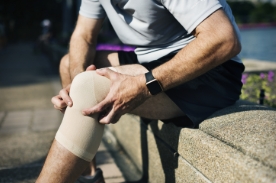
Knee osteoarthritis is a common joint problem. It happens when the cartilage in your knee wears down over time. As a result, your knee may feel stiff or painful. Many people in the United States and around the world face this issue. Because it can affect daily life, understanding knee osteoarthritis is important. Early knowledge helps you take steps to protect your knee joint health.
Why Understanding Risk Factors Matters
Knowing the risk factors of knee osteoarthritis can help you make smart choices. For example, you may avoid certain activities or change your habits. When you understand what increases your risk, you can focus on preventing knee osteoarthritis. This knowledge also helps you spot early signs and seek help sooner. According to the CDC, early action can slow down joint damage and improve quality of life.
Major Risk Factors of Knee Osteoarthritis
Many things can raise your risk of knee osteoarthritis. Some you can control, while others you cannot. However, being aware of these osteoarthritis risk factors is the first step to better knee joint health.
Age
Genetics and Family History
Obesity and Weight
Previous Joint Injuries
Repetitive Stress on the Knee
Gender Differences
Other Medical Conditions
How to Reduce Your Risk
Although you cannot change your age or family history, you can take steps to lower your risk. For instance, keeping a healthy weight is one of the best ways to protect your knees. Here are some tips for preventing knee osteoarthritis:
According to the World Health Organization, these steps can help keep your knee joint health strong for years to come.
When to Seek Medical Advice
If you notice knee pain, swelling, or stiffness that does not go away, it is time to see a doctor. Early treatment can slow down joint damage. In addition, your doctor can suggest ways to manage pain and improve movement. Do not wait until the pain gets worse. Instead, act early for the best results.
Consult an orthopedic specialist Dr. Sai Shankar for personalized advice on knee osteoarthritis prevention and care.