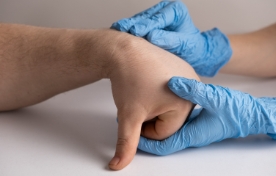
What is Wrist Arthroscopy?
Wrist arthroscopy is a minimally invasive wrist surgery. Doctors use a small camera, called an arthroscope, to look inside the wrist joint. This procedure helps diagnose and treat many wrist problems. Because it uses tiny cuts, recovery is often faster than with open surgery. Many people choose wrist arthroscopy for its quick healing and lower risk of infection.
Indications and Common Conditions Treated
Doctors may suggest wrist arthroscopy for several reasons. For example, it helps find the cause of wrist pain that does not improve with rest. In addition, it can treat certain injuries or diseases inside the wrist. Common conditions treated with wrist arthroscopy include:
Sometimes, doctors use this procedure to remove loose pieces of bone or tissue. Therefore, wrist arthroscopy is a helpful tool for many wrist joint problems.
How the Procedure Works
First, your doctor will numb your wrist with local or regional anesthesia. Sometimes, you may get medicine to help you relax. Next, the surgeon makes small cuts around the wrist. Through these cuts, the arthroscope and tiny tools are inserted. The camera sends images to a screen, allowing the doctor to see inside your wrist. Then, the surgeon can repair or remove damaged tissue as needed. Usually, the procedure takes less than one hour. Afterward, the cuts are closed with stitches or small strips.
Benefits of Wrist Arthroscopy
Wrist arthroscopy offers many advantages over traditional surgery. For instance, it uses smaller cuts, which means less pain and scarring. Also, the risk of infection is lower. Other benefits include:
Because of these benefits, many patients prefer wrist arthroscopy for wrist joint procedures.
Risks and Possible Complications
Although wrist arthroscopy is safe, every surgery has some risks. For example, you may have swelling, bleeding, or infection at the cut sites. Nerve or blood vessel injury is rare but possible. Other risks include:
However, most people recover without serious problems. Your doctor will explain all risks before the procedure.
Recovery and Aftercare
After wrist arthroscopy, you may go home the same day. Your wrist will be wrapped in a bandage or splint. For the first few days, keep your hand raised to reduce swelling. In addition, use ice packs as your doctor suggests. You may need pain medicine for a short time. Gentle exercises can help restore movement. Most people return to normal activities within a few weeks. However, full recovery after wrist arthroscopy may take several months, depending on the problem treated. Always follow your doctor’s advice for the best results.
Prevention and Lifestyle Tips
While not all wrist problems can be prevented, you can lower your risk. For example, use proper techniques when lifting or playing sports. In addition, take breaks during activities that strain your wrist. If you notice pain or swelling, rest your wrist and seek medical advice. Here are some helpful tips:
By following these tips, you can help keep your wrists healthy and strong.
Conclusion
Wrist arthroscopy is a safe and effective way to diagnose and treat many wrist problems. Because it is minimally invasive, recovery is often quicker and easier. However, every surgery has risks. Therefore, consult Dr .Sai Shankar for personalized advice on wrist arthroscopy and to see if it is right for you.